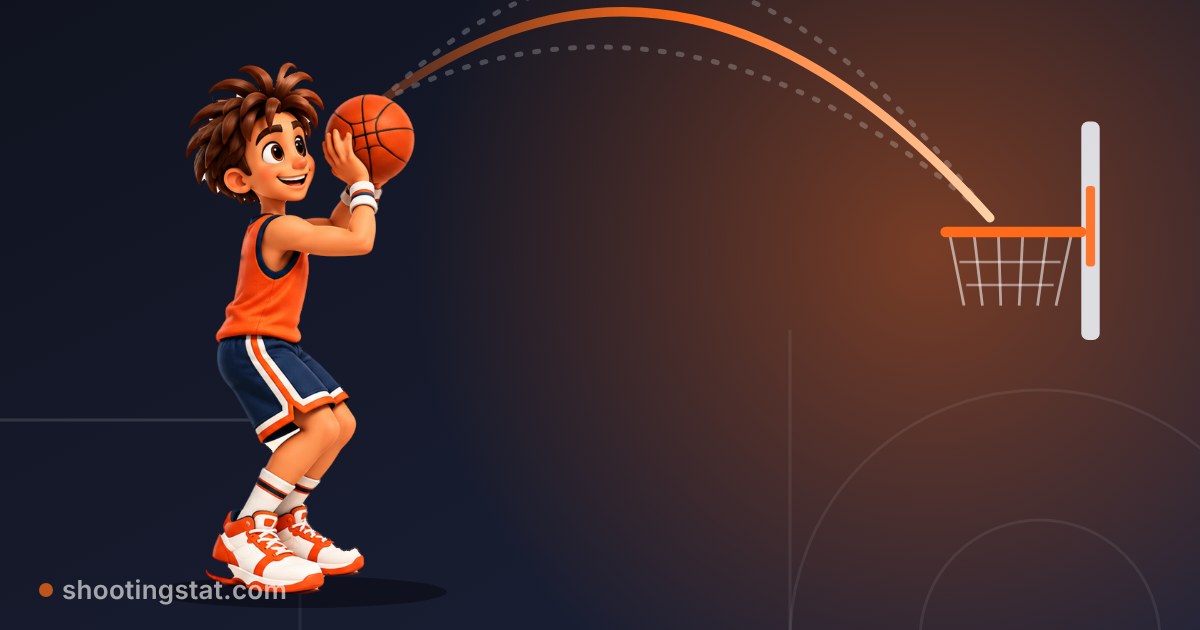
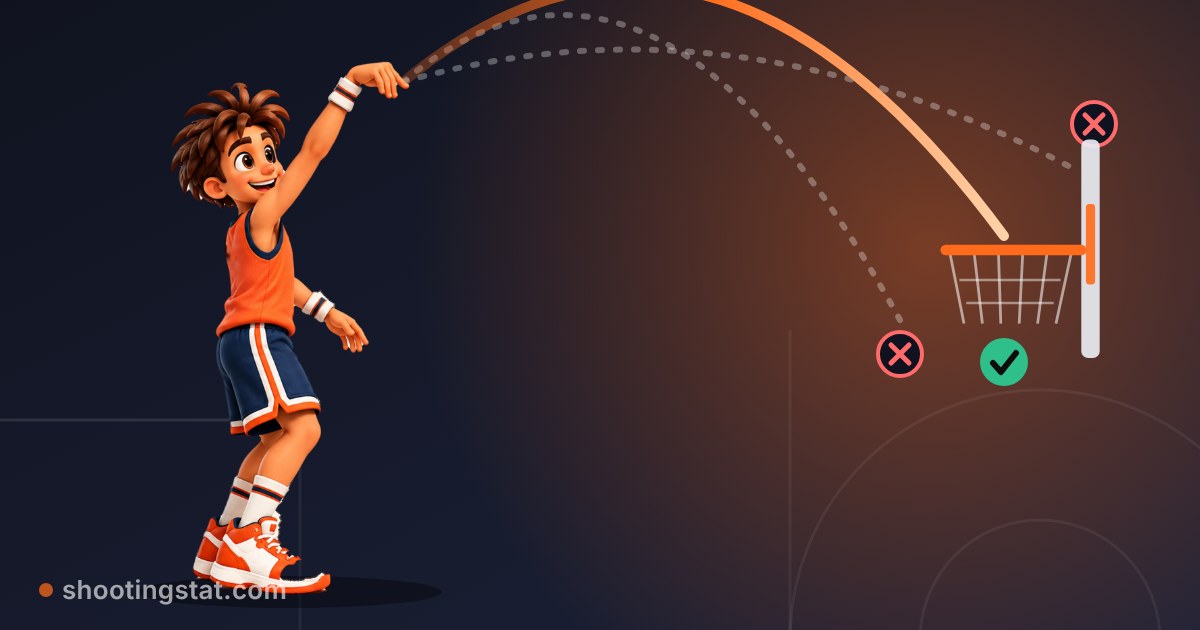
In a game, the ball does not always come to you while you stand still. Many of your shots come right after a pass, with a defender moving toward you. Yet most practice shots start from a calm position under the basket. The result is a shot that looks fine in practice and falls apart off the catch.
The fix is not a new shot. It is getting your feet, hands and eyes ready before the ball arrives, so the catch flows straight into the shot you already know.
The four steps
1. Get ready before the pass
Do not wait for the ball to arrive and then prepare. Before the pass, bend your knees slightly, keep your weight on the balls of your feet, and show a target with your hands up. Your feet should face the basket, or be close to it, so the catch does not turn your body away from the target.
2. Catch in balance
FIBA's Level 1 coaching manual lists balance as the first key of a good shot. There are two common ways to land:
- The hop: you jump slightly toward the ball and land on both feet at the same time.
- The step: you land one foot and then the other, in the order that suits your shooting side.
Neither is "the right one" for everyone. Choose the one that leaves you most stable, and use it every time. A shot built on the same footing each time is easier to repeat.
3. Bring the ball up in one motion
As the ball reaches your hands, take it straight up to your shooting position, without dropping it low first. This is our suggestion based on a simple idea: the less the ball travels before the shot, the less that can go wrong. It also keeps your eyes on the rim, and you can adjust it with your coach.
4. Shoot with your legs
Rushing off the catch usually makes players push the ball with the arms alone, and the shot falls short. As the ball arrives, let your knees bend a little deeper, then rise into the shot. FIBA lists power from the legs as one of the core keys, and the same cue appears in our basic form steps.
Common mistakes off the catch
- Waiting until the ball arrives to get ready. You lose time, and you rush the shot.
- Catching with straight legs. The shot then starts in the arms and tends to fall short. See common shooting mistakes for how to read a short miss.
- Catching with your body turned away from the basket. You then have to twist before you shoot, and the twist can pull the ball off line.
- Looking at the ball instead of the rim. Your eyes should leave the ball as soon as it reaches your hands.
A simple test: catch or one dribble?
Is your shot the same off the catch as after one dribble? Do not guess. Test it.
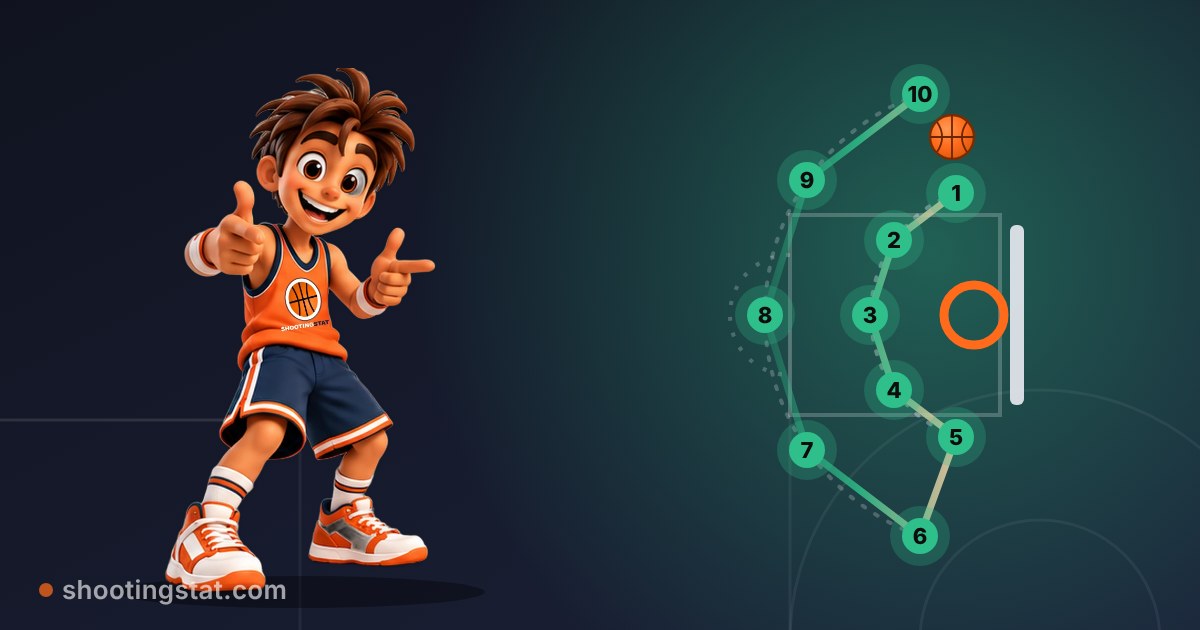
- Warm up, then choose one spot you shoot from often.
- Take 10 shots off the catch. Have a partner pass to you, or toss the ball to yourself and step into the shot. Log them in a session titled "Off the catch".
- Take 10 shots with one dribble before each shot, from the same spot. Log them in a session titled "One dribble".
- Compare the two percentages, and note whether your balance or your legs changed.
This is also stage five of our solo shooting session, so you can add the catch test to a session you already do.
An analysis of 32,511 NBA threes from the 2014–15 season, published in The Sport Journal in 2024, found that catching the ball versus dribbling is one of six factors that affect the chance of making a three, alongside the distance of the nearest defender, the shot clock, the period, the shot distance and the venue. It does not tell us which is better for a young player, so rely on your own numbers.
Common mistake
- Don't judge from one day. With 10 shots, one miss changes your percentage by 10 points. Repeat the test on three different days, and read it together with what small samples mean.
- Compare like with like. Same spot, same number of shots, same time in the session, and no tiredness in one session but not the other.
- Keep the context in the session title. We explained why in what to log for every shot.
For coaches
Run the drill in pairs: one passes, one shoots, then they swap. Watch two things only: where the feet are when the ball arrives, and whether the knees bend before the shot. Give one cue at a time, as FIBA advises, and do not rebuild a shot that already works.
Summary
- Get ready before the pass: knees bent, hands up, feet toward the basket.
- Catch in balance, whether you hop or step, and do it the same way every time.
- Bring the ball up in one motion, and start the shot from your legs.
- Test catch against one dribble over three days before you decide anything.
At your next session, say "feet, hands, eyes" before every pass.